Mastering Accounting Software Bookkeeping: Essential Tips for Small Business Success
Understanding Accounting Software financial management is vital for small businesses seeking fiscal transparency. This robust software streamlines numerous elements of financial management. From streamlining billing to monitoring expenditures, Accounting Software is designed to boost workflow performance. However, many small businesses overlook essential practices that could maximize its capabilities. Recognizing these subtleties can give a company a competitive edge. What essential actions are needed to secure effective use of Accounting Software? These valuable tips will uncover the route for successful financial management.
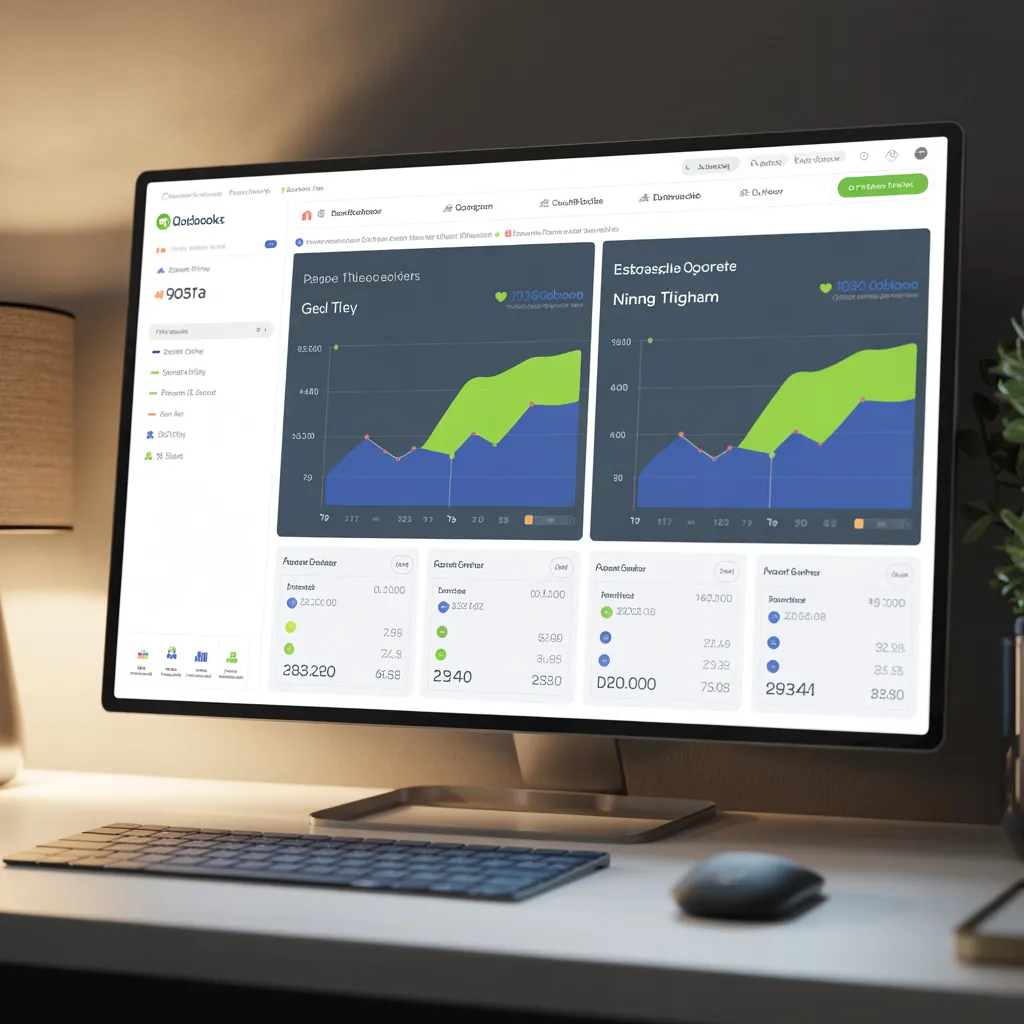
Why Accounting Software Is Vital for Small Businesses
Accounting Software has emerged as an essential solution for small businesses, as it simplifies financial management and improves operational efficiency. By offering an intuitive interface, it enables business owners to manage invoicing, expense tracking, and payroll effortlessly. The software simplifies repetitive and time-consuming tasks, decreasing the chances of errors and enabling business owners to concentrate on growth-oriented strategies.
In addition, Accounting Software offers comprehensive reporting tools that deliver clarity into financial health, enabling informed decision-making. Business proprietors can readily evaluate financial flow, profitability, and other vital performance factors, enabling them to adapt to shifting business environments. Compatibility functions with external business software further enhance its value, supporting seamless data management across channels. As a cloud-based solution, Accounting Software confirms that fiscal information is reachable at any time and location, encouraging teamwork across departments. Essentially, Accounting Software is essential for small businesses aiming for streamlined processes and strategic financial control.
How to Set Up Your Accounting Software Account Right
Configuring a Accounting Software account properly is essential for enhancing its advantages. To begin, a new user should select the right version of Accounting Software that fits their operational needs, whether it be Desktop or Online. Once you have chosen the right version, the following step involves establishing a new account by providing basic information such as the business name, address, and industry type. This data helps Accounting Software adjust its tools to the specific needs of the organization.
After the account is set up, users should configure their chart of accounts, classifying income, expenses, assets, and liabilities according to their financial structure. Subsequently, integrating bank accounts and credit cards facilitates seamless transaction tracking. Lastly, adjusting preferences, such as invoice templates and sales tax, guarantees that the account matches the business's operational standards. By consistently following these steps, users can build a solid foundation for efficient bookkeeping with Accounting Software.
Streamlining Invoicing With Accounting Software Tools
Invoicing is frequently a lengthy and demanding task for businesses, but Accounting Software delivers features designed to make it easier. By automating the creation of invoices and personalizing templates, users can improve productivity while preserving a polished look. This method not only reduces time spent but also ensures uniformity in billing procedures.
Automating Invoice Generation
Optimizing the invoicing process can considerably improve a business's efficiency and cash flow. Automating invoice generation in Accounting Software allows businesses to minimize errors and save time. By establishing recurring invoices for regular clients, companies can ensure timely billing without manual effort. Accounting Software also enables users to generate and organize invoices, simplifying the payment collection process. The software can automatically calculate taxes and discounts, eliminating the need for tedious calculations. Additionally, automated reminders can be sent to clients, boosting the probability of prompt payments. This functionality not only minimizes administrative burdens but also fosters better cash flow management. At its core, automating invoice generation allows business owners to focus on growth rather than repetitive tasks.
Personalizing Invoice Templates
Personalizing invoicing templates in Accounting Software enables businesses to create personalized billing experiences that reflect their brand identity. By leveraging Accounting Software' powerful design tools, users can update elements such as colors, fonts, and logos to guarantee consistency with their overall branding. This tailoring not only enhances the professional look of invoices but also fosters trust and recognition among clients. Furthermore, businesses can tailor invoice fields to include specific information related to their services, such as item descriptions or payment terms. Accounting Software also allows users to maintain multiple templates for various clients or services, streamlining the invoicing process. Overall, customized invoice templates in Accounting Software greatly improve the productivity and accuracy of billing, resulting in a more seamless financial workflow.
Tracking Your Expenses With Accounting Software Efficiency
Efficient expense tracking in Accounting Software encompasses structuring expense classifications and making use of receipt capture tools. By organizing expenses correctly, users can achieve a deeper understanding of their financial position. Furthermore, employing receipt capture functionality optimizes the procedure, minimizing manual data entry and enhancing accuracy.
Managing Expense Categories
Additionally, subcategories can help refine tracking even more, allowing businesses to monitor specific expenses in detail. Consistently revisiting and refreshing these categories ensures they stay applicable as the business grows. Through keeping well-structured expense categories, small businesses can enhance the precision of financial statements and reach well-informed decisions that promote lasting growth and stability. Proper categorization eventually results in improved financial well-being and transparency in business operations.
Utilizing Receipt Capture
Streamlining expense tracking becomes greatly easier through the use of receipt capture in Accounting Software. This tool empowers small business owners to effortlessly digitize and organize their receipts, decreasing the likelihood of missing paperwork. Individuals can conveniently snap an image of a receipt using the Accounting Software mobile app, which automatically extracts key data such as transaction date, merchant, and cost. These details are subsequently organized and integrated with current records, maintaining correctness and conserving precious time. By utilizing this powerful receipt scanning tool, businesses can achieve greater financial control and streamline tax filing. Moreover, this capability improves conformance with record-keeping obligations, providing peace of mind during audits. Overall, incorporating receipt capture into daily operations markedly boosts efficiency in expense management.
Using Financial Reports for Smart Decision-Making
Leveraging the potential of financial reports can markedly improve decision-making within a business. Such documents, which include profit and loss statements, asset summaries, and cash flow analyses, provide valuable insights into a organization's financial health. By consistently analyzing these documents, business owners can recognize patterns, evaluate earnings, and recognize potential risks.
Financial reports also facilitate well-informed budgeting and future projections, enabling effective allocation of resources. To illustrate, a detailed analysis of revenue streams can reveal which products or services are underperforming, driving targeted marketing efforts or operational refinements. Furthermore, analyzing cash flow behaviors assists in avoiding cash flow shortfalls, guaranteeing the company can fulfill its financial commitments.
In the end, utilizing financial reports enables small business owners to make informed, data-driven decisions, fostering growth, efficiency, and long-term sustainability. Through embedding these insights into their strategic planning, businesses can overcome obstacles and leverage opportunities with greater effectiveness.
Top 5 Accounting Software Mistakes Small Businesses Make
Grasping financial documents is a foundational step for small businesses seeking to improve their decision-making. However, many companies encounter challenges when using Accounting Software. One common mistake is neglecting to reconcile accounts consistently, which can cause discrepancies in financial statements. Additionally, failing to categorize expenses properly can distort profit margins and give a false impression to business owners about their financial health.
Another common mistake is disregarding the significance of backups. When data backups are not performed regularly, businesses face the danger of losing critical financial information. Numerous small business owners also fail to recognize the benefits of utilizing reports; not leveraging these tools can obstruct effective planning. To conclude, insufficient knowledge of Accounting Software capabilities leads to unproductive work processes, resulting in time wastage and potential errors. By acknowledging and resolving these issues, small businesses can improve their important resource use of Accounting Software, paving the way for improved financial management and success.
Accounting Software Learning Resources for Ongoing Support
How can small businesses continuously improve their Accounting Software skills? Accessing a variety of learning resources can be instrumental in enhancing bookkeeping proficiency. Accounting Software offers official training modules and certification programs designed to help users master the software. These courses cover essential features and advanced functionalities, catering to different skill levels.
Additionally, small business owners can take advantage of digital learning platforms, such as Udemy and LinkedIn Learning, which provide video tutorials and expert-led classes. Taking part in interactive community forums, like the Intuit Community, empowers users to share experiences and solutions, promoting a collaborative learning environment.
Additionally, nearby workshops and digital webinars regularly deliver interactive training, improving practical comprehension. Following Accounting Software blogs and signing up for newsletters can keep businesses updated on new features and best practices. By making use of these extensive resources, small companies can secure sustained support and ongoing advancement in their Accounting Software record-keeping proficiency.
Questions Our Customers Often Ask
Can Accounting Software Be Used for Multiple Businesses?
Indeed, Accounting Software is suitable for multiple businesses. Business owners can establish separate company files for each individual business, enabling them to oversee financial matters, monitor transactions, and create reports independently, maintaining organized bookkeeping for all different business ventures.
How Often Do I Need to Reconcile My Accounts in Accounting Software?
Accounting Software accounts should be reconciled on a monthly basis to maintain accuracy. Consistent reconciliation allows for early detection of discrepancies, maintaining financial integrity and providing a clear picture of the business's financial health enabling well-informed business decisions.
What Are the E-Commerce Integrations Offered by Accounting Software?
Accounting Software provides numerous integrations for e-commerce, including solutions such as BigCommerce, Shopify, and WooCommerce. Such integrations simplify financial workflows, empowering users to sync sales data automatically and efficiently manage inventory directly within Accounting Software.
Is Accounting Software a Good Fit for Non-Profit Organizations?
Accounting Software is indeed suitable for nonprofit organizations, providing tools designed for tracking donations, managing grants, and generating financial reports. Its customizable tools help non-profits preserve transparency and secure compliance with legal and regulatory obligations successfully.
How Can I Manage Payroll in Accounting Software?
To manage payroll in Accounting Software, one must set up employee profiles, input necessary tax information, and process payroll using the software's payroll features. Consistently examine reports to ensure precision and adherence to regulations.